Resilience Learning Facility
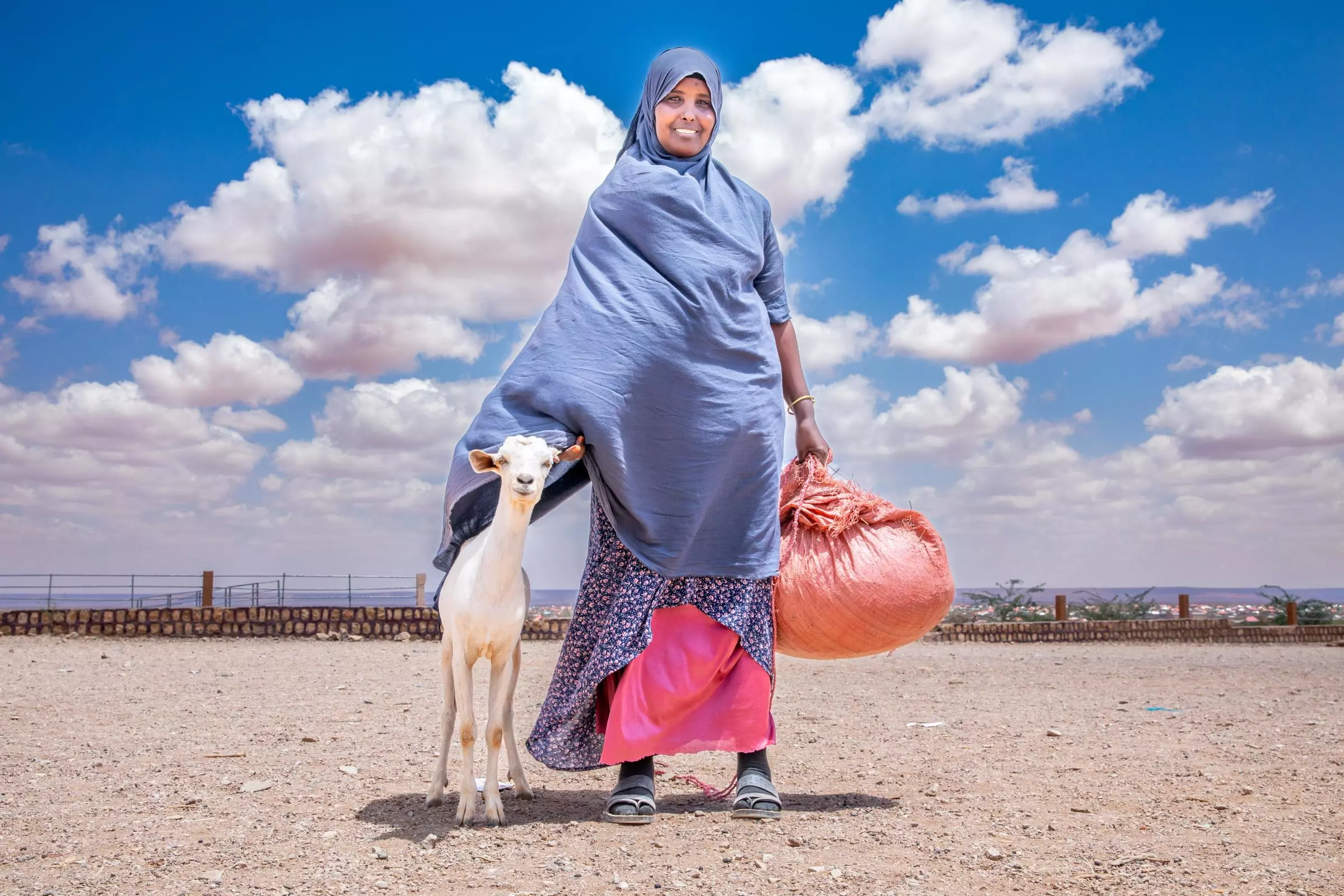
Millions of people worldwide face the compounded effects of climate change, conflict and fragility. Although shrinking aid budgets often drive a focus on short-term relief, evidence shows that resilience strengthening approaches can meet urgent needs while reducing the likelihood, severity and cost of future crises. Over six months, Mercy Corps developed a series of reports outlining how to build resilience in fragile and conflict affected contexts. These reports highlight effective strategies across varying levels of instability - including during acute crises – and demonstrate how prevention focused, locally grounded interventions can support sustainable recovery and long-term resilience.
These reports were funded by UK International Development from the UK government; however, the views expressed do not necessarily reflect the UK government’s official policies.
Learning reports
Foreword
Millions of people are experiencing the shocks and impacts of climate change, conflict and fragility. The paper introduces options for future action on resilience in fragile and conflict affected settings.
Building resilience through market-based solutions in fragile and conflict affected settings
Market systems in fragile settings are critical to communities and rarely collapse when disrupted by violence or climate-related disasters. This paper sets out critical evidence and factors for success.
Land governance to promote resilience in protracted crises and fragility contexts
Land governance interventions strengthen resilience by helping communities manage shocks and stresses, reduce conflict and lower future humanitarian need. This paper sets out key lessons for success.
Promising Practices: Access to finance for vulnerable populations
Financial services - whether formal or informal - help households and businesses anticipate, absorb and adapt to shocks. This paper sets out evidence around what works.
Promising Practices: Systems change as a route to resilience
This report outlines how systems change - targeting underlying rules, relationships, incentives and power dynamics - can serve as a critical pathway to strengthening resilience, supporting long-term adaptation.
Reference document
This document sets out the fragility typology and the fragility and resilience framework used across all of the papers. It also explains wider core concepts, definitions and recommended reading.


