Water, sanitation, and hygiene

Clean water, sanitation, and hygiene—commonly referred to as WASH—lay the groundwork for healthy communities, especially in times of crisis where these essentials are the first step to rebuilding lives and livelihoods. And while access to water and sanitation is recognized by the international community as a human right, it is still not a reality for many.
The COVID‑19 pandemic, as well as recent cholera and ebola outbreaks, have further underscored the foundational role WASH plays in public health and the prevention of infectious diseases. Severe diarrhea—in part caused by unsafe water, inadequate sanitation, and poor hygiene—is the leading cause of death in children under 5, with more than 1,400 children dying from this preventable illness each day.
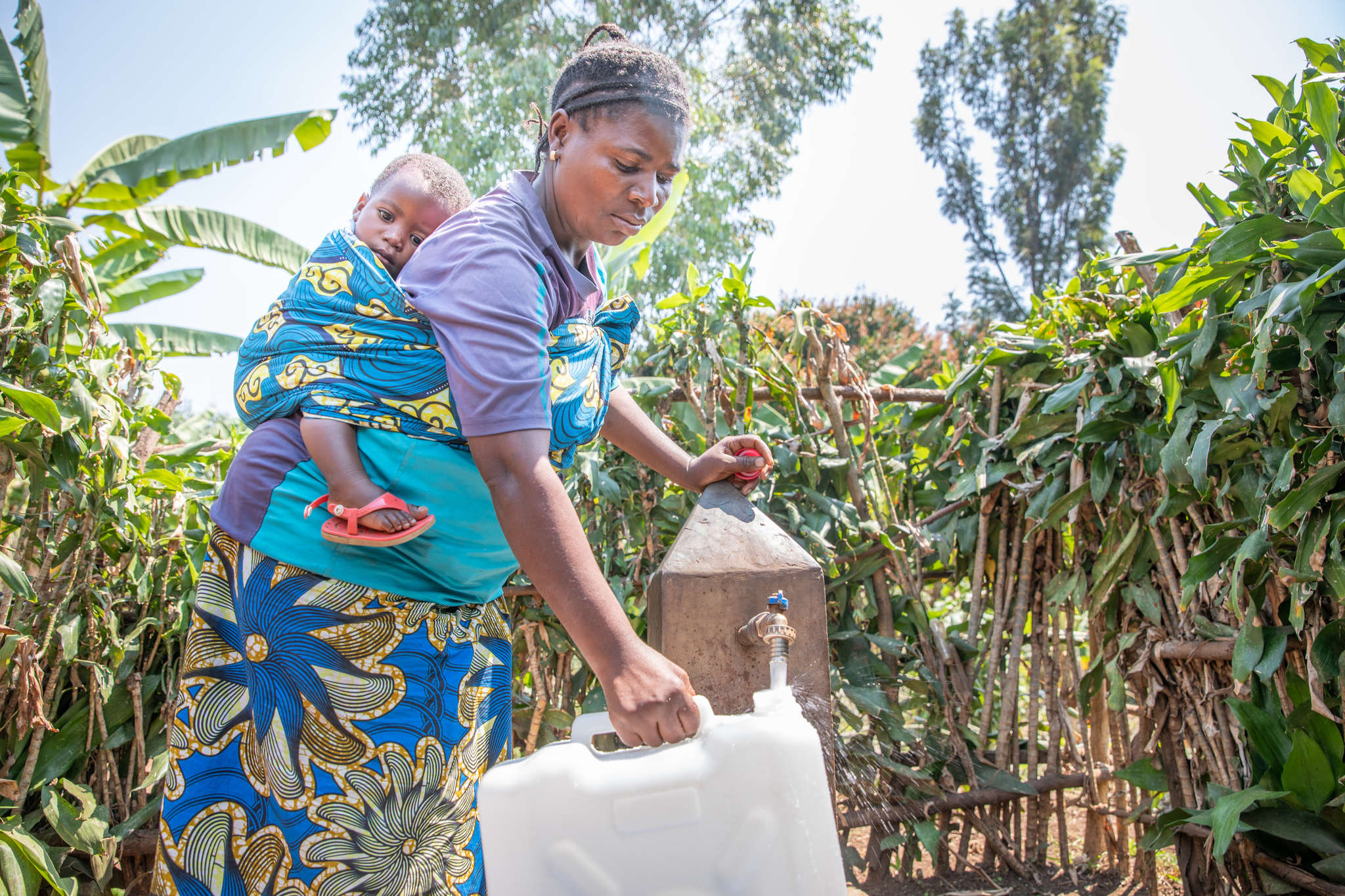
Additionally, when the water supply is far away or challenging to access, it’s women and girls who are most impacted. Water collection is typically their responsibility, and they may have to devote much of their day to the task, increasing school dropout rates and the risk of sexual and gender-based violence.
To truly address the root causes of these issues, water supply and sanitation systems must be reliable, equitable, affordable, and embedded within existing public health and decision-making structures.
-
9m
-
1 in 3
-
2 in 5
-
2b
Mercy Corps implements WASH solutions based on the specific context and needs of a community, providing the foundation for longer-term development efforts.
In an emergency, we work with local governments and communities to re-establish disrupted water and sanitation services. This may include water trucking to bridge the supply of drinking water until sustainable solutions like repairing existing wells and water networks are implemented, small infrastructure installations such as hand-pumps and water points, and emergency latrines.
We also work with communities to implement long-term water and sanitation solutions that create job opportunities, spark positive behavior change, and improve resilience against future challenges. This includes projects like expanding a city’s water supply network, building local technical capacity for repairing water supply facilities, or promoting efficient and transparent management of solid waste and water infrastructure.
Through feedback and working closely with local organizations and governments, our WASH teams build and restore equitable solutions and sustainable systems that they’re able to hand back to their communities.
For more technical details on our water, sanitation, and hygiene programs, please download our approach document.