Haiti

Since 2010, Mercy Corps has been working to pave the way for a more resilient and peaceful Haiti in the wake of natural disasters and conflict. In 2025, Mercy Corps reached nearly 57,000 people across the country.
The context
Haiti is one of the most complex countries in the Western Hemisphere. Since gaining independence from France on the first day of 1804, Haiti has had a tumultuous political history including U.S. occupation from 1915 to 1934 and a period of military rule from 1991 to 1994. Economic and political instability persists and is plunging Haiti deeper into crisis, with rampant gang violence, high levels of hunger, natural disasters, and one of the deadliest cholera outbreaks on record in 2023. More than 362,000 people—over half of them children—have been internally displaced due to gang violence. As of January 2024, half of the population, approximately 5.5 million people, are in need of urgent assistance.
As instability and urban conflict increase, fuel shortages, road blockages, and gang violence are posing serious challenges to every aspect of daily life and humanitarian organizations like Mercy Corps are facing significant difficulties reaching communities in need. An already alarming food security crisis is now deteriorating at levels never seen before. Access to potable water, sanitation, and health care is severely disrupted by the security crisis. Hospitals and health centers are on the brink of becoming non-functional due to a lack of personnel, supplies, and medications.
The increasingly severe impacts of climate change exacerbate these challenges. The signs of climate change are evident across Haiti: rising temperatures, erratic rainfall, flooding, drought, and an increase in the number and intensity of hurricanes. For many Haitians, climate change means crop loss and hunger. Hundreds of thousands of Haitians are still in need of assistance following the magnitude 7.2 earthquake that struck in August 2021. In the community of L’Asile, one of the 10 areas where Mercy Corps works, about 50% of homes were destroyed and 90% were damaged.
Our impact
Mercy Corps has worked in Haiti since 2010 to improve the incomes and harvests of rural farmers, build up young people’s skills to become active members of their communities, and help communities better prepare for disasters. Through our program activities we are making an impact across the areas below:
Delivering livelihood support to farmers and small businesses
Mercy Corps has been working with rural farmers in Haiti for years. We have provided credit to incentivize farmers to adopt conservation practices, distributed drought-resistant seeds, and offered training on better land management practices to mitigate catastrophic erosion and boost harvests. Through training for agricultural workers and leaders of farmers associations, the agricultural community learns more about practices and strategies that can help them better adapt to climate change, such as building berms for erosion control and sedimentation.
In addition to farmer livelihood support, Mercy Corps is providing cash aid to support small businesses that work with the agricultural sector like restaurants, convenience stores, and fruit and vegetable shops.
Promoting peace through financial and life skills training
Since 2019, Mercy Corps has been working to reduce violence and help young people pursue opportunities through financial inclusion and life skills training for more than 8,000 adolescents. We work to build more peaceful and secure Haitian communities that are often affected by violence. Our violence prevention work helps youth develop life skills in supportive environments like safe spaces; it supports communities to develop and implement improvement projects and violence prevention plans, from street theater to murals to sports events; and it helps advance restorative justice by bringing community members together through dialogue and mediation.
Mercy Corps collaborates with local organizations, engaging with community leaders on youth-led projects intended to build productive and stable living conditions in their own communities. In addition to creating platforms to deliver life skills training to youth and their parents at scale, Mercy Corps facilitated connections to the private sector through internships, employment match-making, and entrepreneurial training.

Supporting communities with disaster preparedness through emergency response and access to clean water
Mercy Corps works with communities to better prepare for disasters like hurricanes, including testing early warning systems and simulation exercises with local emergency response committees. There was significant infrastructure damage during the August 2021 earthquake, from roads to bridges to water pipes. Working alongside the local water agency, Mercy Corps is helping to rehabilitate two damaged reservoirs and a water catchment.
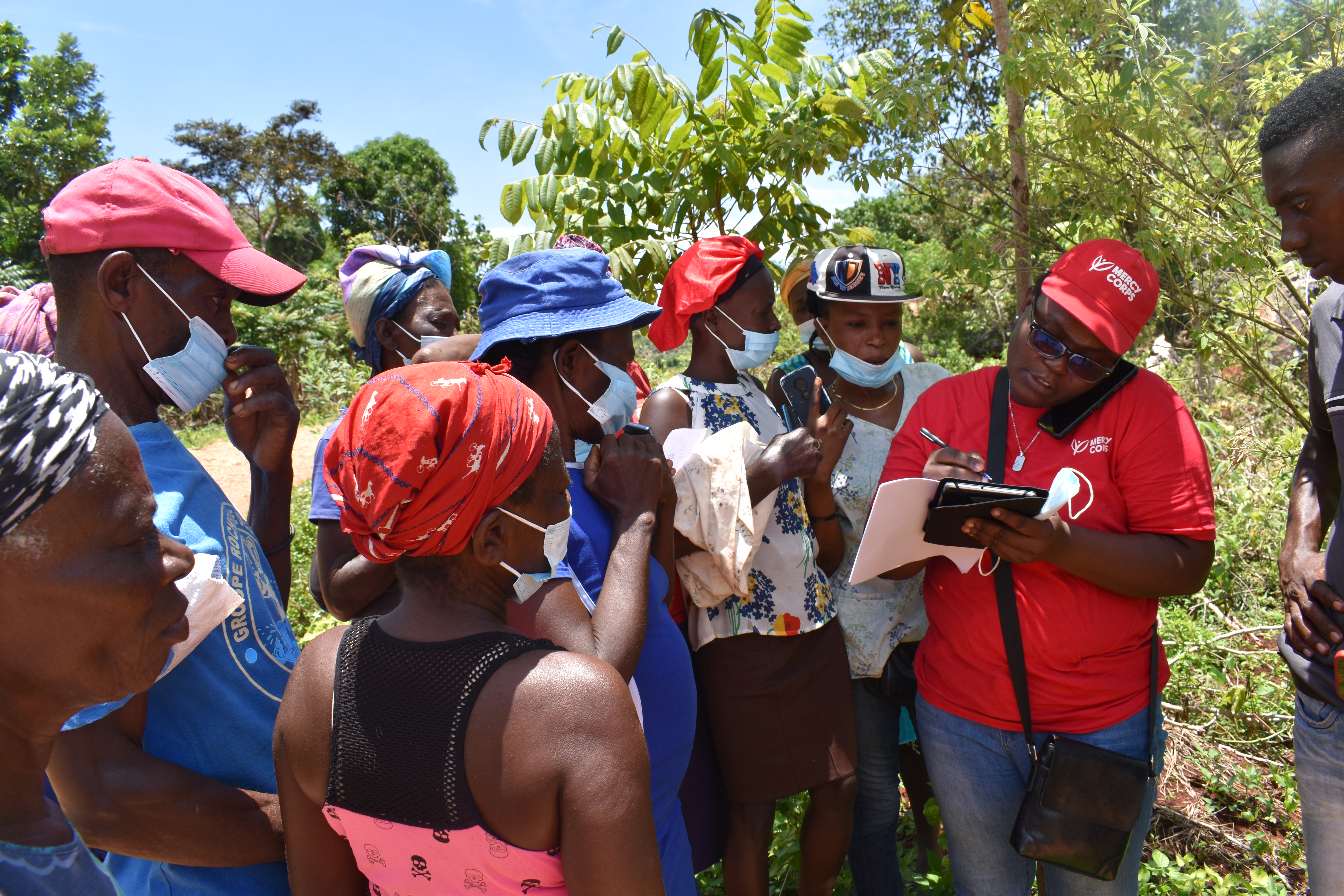
Since the August 2021 earthquake, we have distributed more than $650,000 of flexible cash assistance to over 2,600 households. Cash is one of the quickest ways to help people get back on their feet after an emergency. It bridges the divide between emergency response and longer-term recovery, creating a ripple effect that jumpstarts local economies and connects people to financial services.